
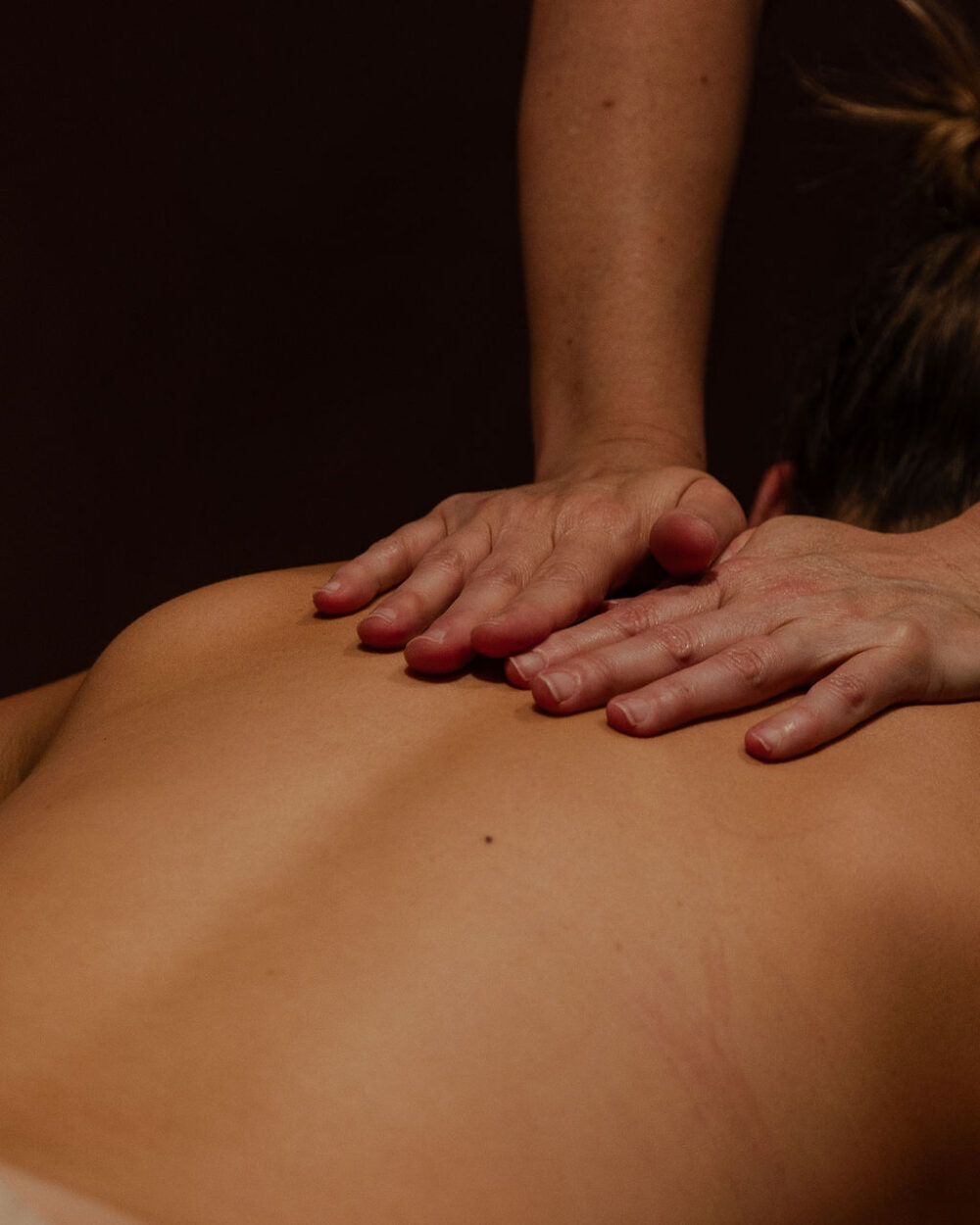
Remedial, relaxation, sports, deep tissue, lymphatic massage, myofascial release and myotherapy all serve different purposes. While they may appear similar on the surface, each approach has its own goals, techniques and ideal applications.
Understanding these differences allows you to make a more informed decision about what your body may need at a particular time.
At Klae, we view massage and manual therapy as part of our ‘Restore’ pillar. Recovery is not simply about switching off for relaxation, but being intentional in selecting the right input for your nervous system, your tissues and your current phase of life or training.
Below is a guide to help you navigate the options.
Remedial Massage
Remedial massage is assessment-based and treatment-oriented. It focuses on identifying and addressing specific musculoskeletal concerns such as chronic tension, postural imbalances, joint restriction or soft tissue injury.
Techniques may include trigger point therapy, myofascial release, stretching and targeted soft tissue work. The aim is to reduce pain, improve range of motion and support rehabilitation.
You may choose remedial massage if:
• You have a clearly defined pain area such as the shoulder, lower back or neck.
• You would like a structured session that focuses on treatment rather than general relaxation.
Relaxation Massage
Relaxation massage, often referred to as Swedish massage, uses long, flowing strokes and gentle kneading to calm the nervous system and ease general muscle tension.
The primary goal is to support stress reduction, improve circulation and create a sense of overall wellbeing. Pressure is typically moderate to light, and the rhythm is consistent and soothing.
You may choose relaxation massage if:
• You are feeling stressed, overwhelmed or fatigued.
• You have mild, general tension without a specific injury.
Sports Massage
Sports massage is designed for people who are physically active, from recreational exercisers through to competitive athletes. It may be used before an event to prepare tissues, after activity to assist recovery, or during training cycles to address tightness and minor strains.
Sessions are often targeted to specific muscle groups related to your sport or training demands.
You may choose sports massage if:
• You are training regularly and want support with recovery or injury prevention.
• You experience recurring tightness related to your activity.
Deep Tissue Massage
Deep tissue massage works into the deeper layers of muscle and fascia using slower, more focused pressure. It is often beneficial for long-standing areas of tightness or restriction that have not responded to lighter techniques.
Pressure is applied within a tolerable range, with the goal of improving mobility and easing chronic tension.
You may choose deep tissue massage if:
• You have persistent tight areas or restricted movement.
• You prefer firmer pressure and more focused work.
Lymphatic Massage
Manual lymphatic drainage uses very light, rhythmic techniques to encourage the movement of lymph fluid through the body. Unlike deep tissue approaches, this style is gentle and subtle.
It is often used to help manage swelling after surgery or injury, support fluid balance, and assist in cases where tissues are sensitive or overloaded.
You may choose lymphatic massage if:
• You are experiencing fluid retention or swelling and have guidance from your healthcare provider.
• Your body would benefit from gentle, supportive touch rather than firm pressure.
Myofascial Release
Myofascial release focuses on the fascia, the connective tissue that surrounds and supports muscles. Rather than continuous gliding strokes, this technique uses slower, sustained pressure and stretching to ease restriction and improve tissue glide.
It can be particularly helpful when the body feels stiff or restricted, often described as a pulling or stuck sensation rather than sharp pain.
You may choose myofascial release if:
• You feel limited in movement without a clear injury.
• You respond well to slower, sustained holds rather than constant movement.
Myotherapy
Myotherapy takes a more clinical and comprehensive approach. It involves detailed assessment and may integrate remedial massage, trigger point therapy, myofascial techniques, stretching, dry needling and exercise prescription.
It is commonly used for more complex or persistent pain presentations, including referred pain, nerve-related symptoms or recurring dysfunction.
You may choose myotherapy if:
• Your pain returns frequently or radiates to other areas.
• You would like a clear explanation of contributing factors and a structured treatment plan that includes corrective exercises.
Bringing It Together
In many cases, treatment styles are not isolated. A skilled therapist may blend remedial, deep tissue and myofascial techniques within a single session to suit your presentation.
Remedial massage is a great entry point to massage therapy, particularly when pain, restriction or dysfunction is present. Because it is assessment-based and treatment-focused, remedial massage allows us to identify what is contributing to your symptoms and apply targeted techniques accordingly.
If you are experiencing:
• A specific pain area such as neck, shoulder or lower back discomfort
• Postural tension from desk work or parenting demands
• Reduced mobility affecting training or daily life
• Lingering tightness following injury
At Klae, our approach to remedial massage is grounded in evidence-informed practice and delivered by experienced practitioners yet offered within a calm day spa environment. This means you receive the benefits of structured, expert treatment without sacrificing comfort or experience.
For those with more complex or recurring patterns, myotherapy or physiotherapy may be appropriate, particularly where pain radiates, returns frequently or requires exercise-based rehabilitation. However, for many clients, remedial massage provides a balance of assessment, treatment and restoration.
Recovery does not need to feel clinical to be effective. At Klae, we believe it can feel supportive and considered while still delivering meaningful, measurable results.
Meet Julia Simmons
“Hi, I’m Julia. I have spent the past two decades helping people move better and feel stronger through a combination of hands-on treatment and targeted movement. I believe recovery should feel supportive, clear and purposeful. Whether you are managing pain, navigating pregnancy, rebuilding strength or simply needing time to reset, I look forward to working with you.”
Julia Simmons is a highly experienced remedial massage therapist and Pilates instructor with 20 years in clinical practice. Her approach integrates hands-on therapy with tailored movement programs to support long-term outcomes.
Julia now practices at Klae Wellness, offering personalised, evidence-informed care to new and existing clients.
Remedial Massage available Sunday, Monday, Thursday and Friday.